


Introduction to the Importance of Nutrition for Mental Well-Being
Healthy eating for mental health is a crucial aspect of overall well-being that is often overlooked. The food we consume plays a significant role in not only our physical health but also our mental health. Research has shown that poor nutrition can have a negative impact on mood, cognitive function, and overall mental well-being. On the other hand, a balanced and nutrient-rich diet can support brain health, improve mood, and enhance cognitive function.
How Food Choices Impact Mood and Cognitive Function
The connection between food choices and mental health is profound. Certain nutrients, such as omega-3 fatty acids found in fatty fish, and antioxidants present in fruits and vegetables, have been linked to improved mood regulation and cognitive function. Conversely, diets high in processed foods, sugar, and unhealthy fats have been associated with an increased risk of mental health disorders, such as depression and anxiety. By making mindful food choices, individuals can positively impact their mood, cognitive abilities, and overall mental well-being.
The Role of Nutrient-Rich Foods in Supporting Mental Health
Eating a balanced diet rich in essential nutrients is crucial for maintaining mental well-being. Consuming a variety of nutrient-dense foods can help support cognitive function, enhance mood, and improve overall mental health. Especially important are foods that provide essential vitamins, minerals, and other nutrients that the brain needs to function optimally.
Various studies have shown that dietary patterns can significantly impact mental health outcomes. For instance, diets high in processed foods and sugars are linked to increased risks of depression and anxiety. Conversely, a diet rich in fruits, vegetables, whole grains, and lean proteins has been associated with better mental health.
Benefits of Incorporating Omega-3 Fatty Acids and Antioxidants in Your Diet
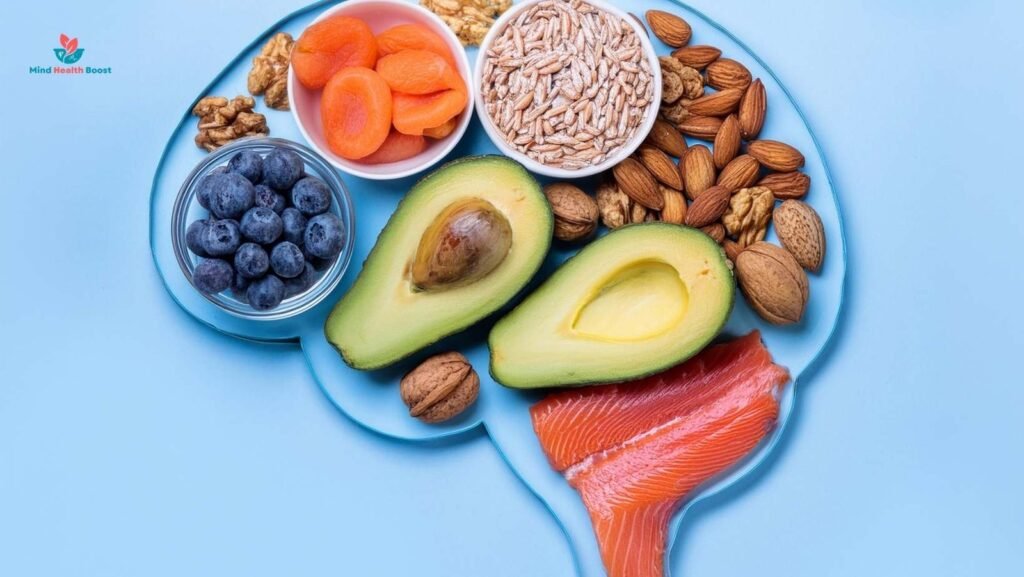
Omega-3 fatty acids and antioxidants play a significant role in promoting brain health. Omega-3 fatty acids, found in fatty fish like salmon, walnuts, and flaxseed, are essential for brain function and development. They help reduce inflammation, which is linked to various mental health conditions, including depression and anxiety.
Antioxidants, found in a wide range of fruits and vegetables, help protect the brain from oxidative stress and free radical damage. This protection is crucial in preventing cognitive decline and improving overall brain health. Foods rich in antioxidants include berries, dark chocolate, and green leafy vegetables.
- Omega-3 fatty acids help reduce inflammation in the brain.
- Antioxidants protect the brain from oxidative stress.
- Incorporating these nutrients can improve mood and cognitive function.
Tips for Creating a Balanced Diet to Support Mental Well-Being
Creating a balanced diet to support mental health involves more than just avoiding processed foods; it also requires including a variety of nutrient-dense options to ensure your brain gets what it needs. Here are some practical tips to get started:
- Eat a variety of fruits and vegetables: Different colors mean different nutrients, so aim for a rainbow on your plate.
- Choose whole grains over refined grains: Whole grains have more fiber and nutrients that support brain health.
- Include lean proteins: Sources like chicken, fish, beans, and legumes help maintain muscle and brain function.
- Limit sugar and processed foods: These can negatively impact your mood and cognitive function.
- Stay hydrated: Adequate water intake is essential for every bodily function, including brain health.
Healthy eating for mental health involves making informed choices that support your cognitive function and mood. By including a variety of nutrient-rich foods in your diet, you can effectively enhance your mental well-being. Moreover, these dietary changes are often simple to implement and can make a significant difference in how you feel on a daily basis.
Final Thoughts on Healthy Eating for Mental Health
As we’ve explored the link between nutrition and mental well-being, it’s clear that what we eat can significantly impact our mood, cognitive function, and overall mental health. Choosing nutrient-rich foods, such as fruits, vegetables, whole grains, lean proteins, and healthy fats, is essential for supporting our brains and bodies.
The Importance of a Balanced Diet
A balanced diet plays a crucial role in nourishing our minds and promoting mental wellness. By consuming a variety of foods that provide essential nutrients, we can help regulate our mood, improve focus, and protect our brains against cognitive decline. To learn more about what constitutes a balanced diet, check out our guide here.
Remember, healthy eating for mental health is not about strict rules or deprivation. It’s about finding a sustainable way of eating that works for you and supports your overall well-being. Making small changes to your diet, such as incorporating more omega-3 fatty acids and antioxidants, can have a significant impact on how you feel and function on a daily basis.
By being mindful of the foods we consume and focusing on nourishing our bodies and minds, we can take proactive steps towards better mental health and overall wellness. So, next time you sit down for a meal, think about how you can fuel your body and brain for optimal functioning and a positive outlook.