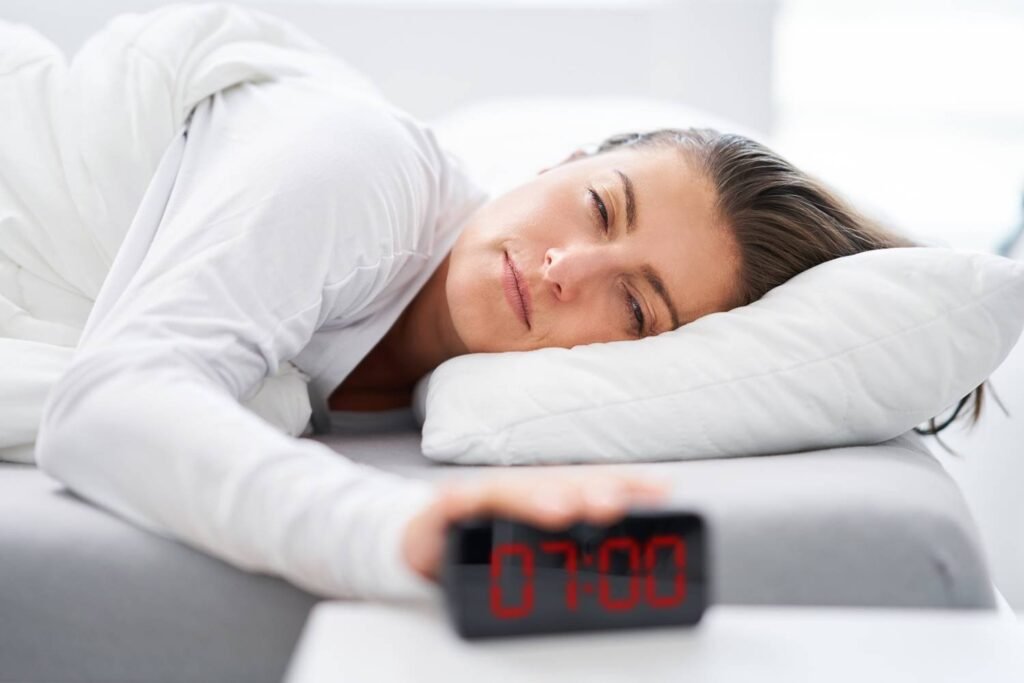



Welcome to Mind Health Boost: Your Guide to Better Sleep
Welcome to Mind Health Boost, your go-to resource for enhancing your mental well-being. In this comprehensive guide, we will delve into the crucial aspect of sleep efficiency and how it impacts your overall health and cognitive function. If you’re wondering how to increase sleep efficiency and enjoy better restorative sleep, you’ve come to the right place.
Understanding the Importance of Sleep Efficiency
Sleep efficiency refers to the quality of your sleep and how effectively you move through different sleep stages to achieve restorative rest. It is not just about the number of hours you spend in bed but also about the quality of sleep you experience during that time. Simply put, it’s about maximizing the benefits of your sleep to wake up feeling refreshed and rejuvenated.
Factors Affecting Sleep Efficiency: Identifying the Challenges
Understanding the barriers to effective sleep can be a significant step in improving your overall sleep quality. Several factors can disrupt or enhance sleep efficiency. Knowing these factors can help you learn how to increase sleep efficiency.
Sleep Environment
The setting in which you sleep plays a crucial role in determining your sleep efficiency. Elements such as room temperature, light exposure, and noise levels can significantly affect your rest. A room that is too hot or cold can cause frequent awakenings, while ambient light or noise can delay sleep onset.
Stress and Anxiety
Emotional and psychological factors like stress and anxiety can also hinder your ability to achieve restful sleep. When your mind is preoccupied with worries or stressors, it becomes difficult to relax and fall asleep. Strategies to manage stress can substantially improve sleep efficiency.
Lifestyle Choices
Daily habits such as diet, physical activity, and screen time can influence how well you sleep. For example, consuming caffeine or heavy meals near bedtime can interfere with your ability to fall asleep. Likewise, sedentary lifestyles and nighttime screen exposure can negatively impact sleep quality.
Practical Tips for Improving Sleep Efficiency
Fortunately, there are many evidence-based strategies to help you understand how to increase sleep efficiency. Implementing these tips can lead to better, more restful nights.
Maintain a Consistent Sleep Schedule
Going to bed and waking up at the same time every day can help regulate your internal clock. Consistency reinforces your body’s natural sleep-wake cycle, making it easier to fall asleep and wake up feeling refreshed.
Prioritize Relaxation Techniques
Using relaxation techniques such as deep breathing, meditation, or yoga can help calm your mind and prepare your body for sleep. These techniques can be particularly effective if practiced regularly before bedtime.
Avoid Stimulants Before Bed
Steer clear of stimulants such as caffeine and nicotine in the hours leading up to bedtime. These substances can keep you alert and hinder your ability to fall asleep quickly and stay asleep.
Creating a Sleep-Friendly Environment: Setting the Stage for Quality Rest
The environment in which you sleep can dramatically influence your sleep efficiency. Here are some practical measures to create a more conducive sleep environment.
- Control Room Temperature: Aim to keep your bedroom cool, ideally between 60-67 degrees Fahrenheit. This temperature range has been found to be optimal for sleep.
- Minimize Light and Noise: Use blackout curtains to block out light and consider using a white noise machine to drown out any disruptive sounds.
- Invest in a Comfortable Mattress and Pillows: Quality bedding can provide the necessary support and comfort needed for a restful night’s sleep.
By focusing on these factors, you can create a sleep-friendly environment that supports better sleep efficiency. These changes, coupled with the right habits, will guide you in how to increase sleep efficiency and enhance your overall wellbeing.
- Limit Screen Time Before Bed: Reduce exposure to blue light from phones, tablets, or computers at least an hour before bedtime.
- Establish a Pre-Sleep Routine: Engage in calming activities such as reading or taking a warm bath to signal to your body that it’s time to wind down.
Improving Your Sleep Efficiency: A Recap
Optimizing your sleep efficiency is crucial for overall well-being and mental health. By understanding the factors that affect your sleep and implementing practical tips, you can enhance the quality of your rest. Creating a conducive sleep environment is essential for promoting better sleep efficiency and ensuring you wake up refreshed each morning.
Implementing Healthy Sleep Habits
Consistency is key when it comes to improving your sleep quality efficiency. Establish a regular sleep schedule and follow a bedtime routine to signal to your body that it’s time to wind down. Avoiding stimulants like caffeine and electronics before bed can also contribute to better sleep efficiency.
Creating a Restful Environment
Your sleep environment plays a significant role in determining the quality of your rest. Make sure your bedroom is dark, quiet, and at a comfortable temperature to promote optimal sleep conditions. Investing in a good mattress and pillows can also enhance your sleep efficiency.
Seeking Further Guidance
If you continue to experience difficulties with sleep quality efficiency despite implementing these tips, consider seeking guidance from a healthcare professional. They can help identify any underlying issues that may be affecting your sleep and provide personalized recommendations for improvement.
To learn more about how to increase sleep quality and improve efficiency, visit Mind Health Boost’s comprehensive guide. Prioritizing your sleep health is a valuable investment in your overall well-being, so take the necessary steps to enhance your sleep efficiency and wake up feeling rejuvenated each day.